Angola is a country lying in Africa, located on the southwest coast of this continent.
Angola is bordered to the north and northeast with the Democratic Republic of Congo and Republic of Congo; east, bordering Zambia and Namibia to the south.
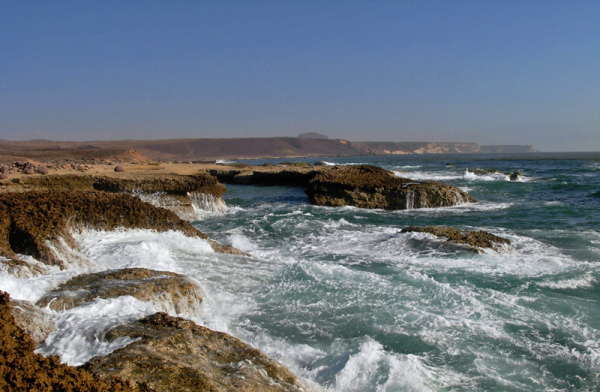
Angola is bordered to the west by the Atlantic Ocean and has a coastline of 1.650km, from a total area of 1.246.700km2.
The highest point in Angola is Mount Moco, which has 2.620m. About 60% of the territory is occupied by plateaus from 1,000m to 2,000m.
GEO-Demographic Data
Total Area 1.246.700 km²
Population 16 Milhões Hab.
GDP 2010 – Total $ 114,1 mil milhões
Currency Kwanza (AOA)
Telephone Country Code +244
Provinces
Angola is divided into 18 Provinces.




Climate
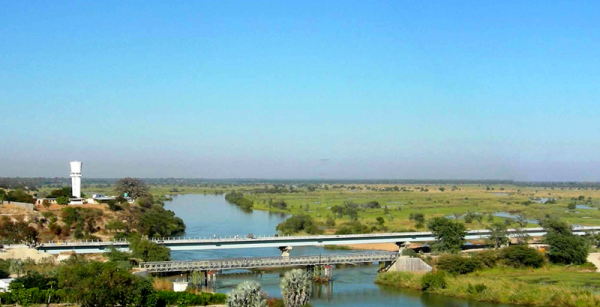
Like the rest of tropical Africa, Angola experiences distinct, alternating rainy and dry seasons.
The coastal strip is tempered by the cool Benguela Current, resulting in a climate similar to coastal Peru or Baja California. It is semiarid in the South and along the coast to Luanda. There is a short rainy season lasting from February to April. Summers are hot and dry, while winters are mild.
The north has a cool, dry season. The climate is greatly influenced by the prevailing winds, which arc W., S.W. and S.S.W. Two seasons are distinguished – the cool, from June to September; and the rainy, from October to May. The heaviest rainfall occurs in April, and is accompanied by violent storms.
The far north and Cabinda enjoy rain throughout much of the year.
Cacimbo is the name given in Angola to the dry season.
Useful Information
Banks: 8am – 3pm
Trade: 8am – 12.30pm / 2pm – 6pm from Monday to Friday, Saturdays 8am – 12.30pm
Currency: Kwanza (U.S. Dollars are accepted in many places)
Time Zone: GMT / UTC +1
Electricity: 220/240V 50Hz
Health
You need the vaccine against yellow fever, malaria prevention and be careful in the consumption of water and raw food.
Water has a reasonable quality, but should be boiled, filtered or sterilized.
There are well-equipped hospitals, clinics and pharmacies in all provinces.
How To Get There
International Airport February 4th – Luanda
Port of Luanda, Port of Lobito and Namibe Port
Roads and railways are being recovered.
Passports, Visas and Customs
You need a visa issued by the Consulate of Angola in the country of origin. Upon arrival in Luanda, you can opt for ‘green way’ if you have nothing to declare, or ‘red route’ if you bring items subject to fees. Personal items are exempt from customs duties.
Transportation
Rent-a-car companies available.
‘Candogueiros’ are the local collective taxis.
Public transport is deficit.
Telecommunications
There is Angola Telecom’s land network and several mobile networks provide services and products for wireless internet access.
Many hotels also offer wireless and there are several Internet cafes in cities.
Water falls
Do not miss in Malange the Kalangula Falls, Musselenge Cascades and Pedras Negras.
In Bie, discover the Wongo Falls, Mutumbo Falls, Lau Lau Falls and Luando River Falls.
In Cunene, do not miss the Ruacana Falls and Monte Negro Falls.
In Kwanza North, visit the Muembeje River Falls.
In Kuando Kubango are the Maculungungo Falls.
In Zaire are the M’Bdrige River Falls, a magnificent sight.


Holidays
January 1 – New Year
February 4 – Beginning of the Armed Struggle
February 21 – Carnaval
April 4 – Day of Peace and National Reconciliation
May 1 – International Workers’ Day
September 17 – Day of the National Hero
November 2 – All Saints Day
November 11 – Independence Day
December 25 – Christmas
Culture
It is one of the assets of Angola. The Angolan music, whether traditional (Semba and Rebita) or modern (Kuduro, Kizomba, Zouk), today has great international projection. The traditional musical instruments like the Batuque, the Marimba and Kissange are icons of their culture.
Also traditional dances stand out for their rhythm and in each generation, creativity adds them new rhythms and variations.
It is the Carnival that combines music, dance and tradition.
In Literature, Angola can boast being the homeland of major authors. The first Angolan president, Agostinho Neto, was a poet; Pepetela and José Eduardo Agualusa are some of the best known Angolan authors.
Also Angolan cuisine is rich and varied, with influences of Portuguese gastronomy and cooking methods of Mozambique. Currently, Angolan cuisine mixes flavors from Portugal, Brazil and some African countries. The most famous dishes are the Chicken Muamba, Kibeba and Ponde. The palm oil is always present in Angolan gastronomy.
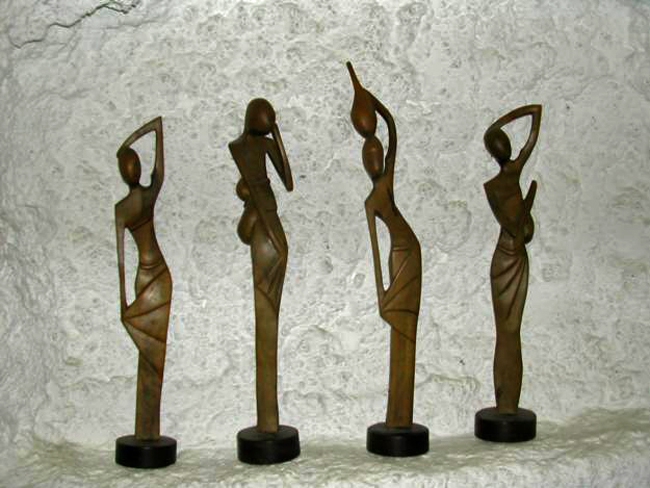
Also on crafts, Angola has much to offer. Materials like black wood, rose wood, ash wood ash, or pangapanga, clay, palm fiber, bronze, bone and ivory are the most used in Angolan handicraft.
Note: If you want to carry Angolan craft out of the country, you should acquire the stamp of the Ministry of Culture and put it in the pieces.


Languages
The official language is Portuguese but there are about 42 languages in Angola. However, Kimbundu, Umbundu, Kicongo and Tchokwe are considered national languages due to their comprehensiveness.
Monuments, Museums and Other Places
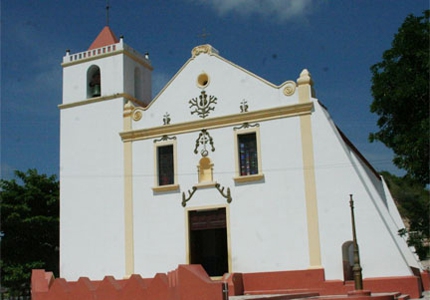
In Bengo Province, visit the Church of Nossa Senhora de Muxima. Built between 1641 and 1648, is a national monument since 1924 and is located in Muxima, 130 km from Luanda. Houses the Sanctuary of Nossa Senhora de Muxima and receives thousands of pilgrims, especially in September, during the Celebration of Nossa senhora de Muxima.
Also Muxima Fortress is a must – perched on a hill on the left bank of Kwanza River, was built by the Portuguese in 1599 for defense of goods and slaves from the Dutch. There are several ruins worth visiting: Lighthouse Cal do Bom Jesus, Former Jesuit Church of Barra do Dande and Ancient Ambriz, naming just a few.
In Benguela province, visit the Church of Nossa Senhora do Pópulo, built in 1748 in baroque style; the Chapel of Nossa Senhora dos Navegantes, from 1957, where this saint is celebrated in May 17; the Chapel of Nossa Senhora da Graça; the Government Palace, a beautiful example of colonial architecture; the Church of Nossa Senhora da Arrábida, from the seventeenth century located in Lobito; the National Archaeological Museum; the Lobito Museum of Ethnography and Quilve Lighthouse; the S. Pedro da Catumbela Lighthouse; the Baths of Jomba; and the deck with panoramic views of Bela Vista.
In the province of Bie, do not miss the Cristo-Rei, the Silva Porto Flort, Munhango Fort, N’Harea Fort, the Garden of Pouca-Vergonha and Kambadua Lagoon, great spot for sport fishing.
In Cabinda, visit the Cemetery of the Kings of Cabinda and its sculptures, the Ruins of Old Episcopal Cathedral of the sixteenth century, the Church of Lândana, the People’s Palace, Sagrada Esperança School, Cabinda Provincial Museum, Church of São Tiago, a ‘must’ of religious architecture, the Church of Nossa Senhora Rainha do Mundo, the Church of the Imaculada Conceição, Mboca Church and Santo António Church.
The Chiloango River Mouth, Sassa-Zau Lagoon, the Manenga and Tchúquisse Ponds deserve your attention!
In Cunene, we highlight what is considered the largest Baobab African tree, in Peu-Peu; the Memorial of King Mandume (last king Kwanyama); Embala Grande which shelter the 11 kings of the region except Mandume; Roçada Fortress, the Monuments Vau-do-Pembe and Mufilo.
In Huambo, the inescapable Kuando Bayou, who has a rare beach on the plateau, due to Ngove Dam and is also located in this province the Moco Mount (Morro do Moco), the highest point in Angola, with 2.620m. Deserve your visit the Center for Floral Studies and the Sacaála study Center, the Senhora do Monte, the Paços do Concelho, the Municipal Anthropological Museum, the Regional Museum of Huambo, the Ruins of Embala Grande and the Tomb of King Ekuikui.
In Huila, the Cracks of Tundavala, the Viewpoint of the Boca da Humpate and Serra da Leba are unmissable. Visit Cristo-rei where you can see Lubango from the viewpoint located here; the former Government Palace, the Cathedral, the Mission of Huila Church, the Tchivinguiro Church, the Church of Quihita, the Sheds, the former Railways Station, the Caconda Fortress and some buildings of colonial architecture as the former Lyceum Diogo Cão, Paula Franssinete College and Almeida Family home.
In Kuando Kubango, find the Rock Carvings of Bototo, the Ruins of Fort Muene Vunongue and the Historic Centres of Missombo and Balombo.
In Kwanza Norte, visit Fort Massangano, from 1583 and located in the kwanza Riverside, and the Kilombo Botanical Garden.
In Kwanza Sul, visit the Sumbe, Sassa and Kicombo Caves, the ruins of Fort Kikombo, the Fortress of Kibala, the Novo Redondo Fortress, the Wall of Kariango, Fortress of Libolo, one of the most emblematic monuments of military architecture in this area. There are still the Rock Engravings of Ndalambiri, of Quingunba and Kinjinge.
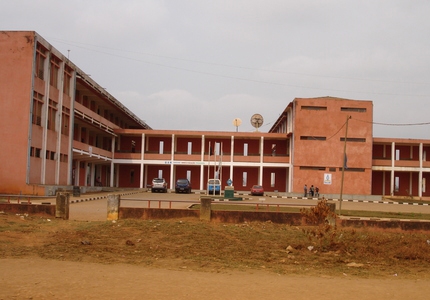
Luanda has an huge historical and cultural heritage. We highlight the Church of Nossa Senhora da Nazaré, Nossa Senhora dos Remédios Church, Nossa Senhora do Carmo, the Palace D. Ana Joaquina, the Natural History Museum, the National Museum of Anthropology, the Museum of Slavery, the São Miguel Fortress, a place with a great view over the Luanda Bay, the Iron Palace, the Viewpoint of the Moon, the buildings of the National Bank of Angola, the Josina Machel and Mutu-ya-Kevela Hospitals.
In the province of Lunda Norte, do not miss the Ethnographic Museum, one of the largest museums in the country; the Bala-Bala, the Luaco and Candala Archaeological Centres, the beautiful building of CTT and the Government Palace, great examples of colonial architecture.
In Lunda Sul, visit the Pond Luari, the Bishopric and Religious Monument of Nossa Senhora de Lourdes, the Cathedral of Saurimo, the buildings of colonial architecture as the residence of Former Employees of Public Administration, the Governor’s Residence and CTT.
In Malanje, do not miss the Viewpoint from Morro Kabatuquila, the Black Stones of Pungo Andongo, the Cemeteries of Cambundi-Catembo and Kizenga, the tombs of Queen Ginga and Ngola Mbandi, Ruins of Cacumbo, the fortress of Pungo-Andongo, the Quissol Factory and the Evangelical Church of Quêssua.
In Moxico, besides the natural offerings, you can visit the Ruins of Old Moxico, Archaeological Traces of the Kasai-Cawéwé River and Forttress of Dilolo.
In the province of Namibe, visit the beautiful examples of colonial architecture as the Government Palace, The Rail Station of Moçâmedes, the District Court of Namibe, the Post and Telegraph Building. Also worth a visit, the Fortresses of S.Fernando and Capagombe, Prison Bentiaba, the Mount of Torre do Tombo, the Church of São Adrião, Nossa Senhora de Fatima Chapel, Beach Amelia Church, Nossa Senhora do Mundo Church in Bibala and Chapel of Quiploa.
In Uige, it is essential to see the Church of S. Joseph, Bembe Fort, the N’Zinga N’Zambi, Kakula, Tunda and Quimango Stones , the ruins of Maquela Fortress, the rock engravings of Kissadi, the Tomb of the Elder Mekabango and the Ethnographic Museum of Kongo.
The province of Zaire shelter Kulumbimbi Museum, the ruins of the Cathedral, First Church of Angola, Rico, Padrão and Pinda Ports, and the Spell Stone.




Nature
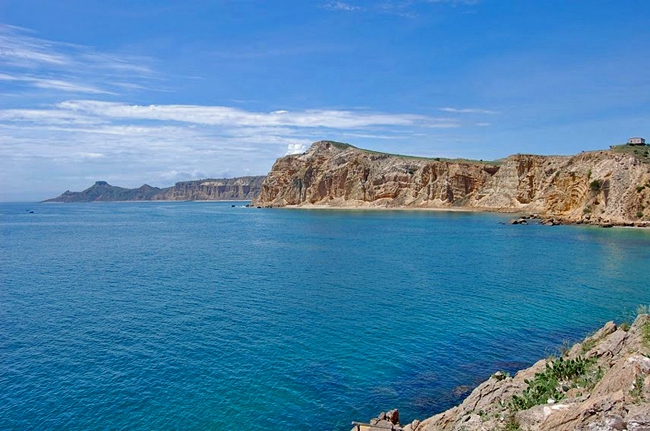
Angola is blessed by nature, given the diversity of its landscapes: beaches, mountains, rainforests, the Namib Desert, waterfalls, among other natural wonders.
The fauna and the flora are of enormous wealth. There are more than 8.000 species of plants, 275 mammals, 78 amphibians, 227 of reptiles, 915 birds and over 300 insects.
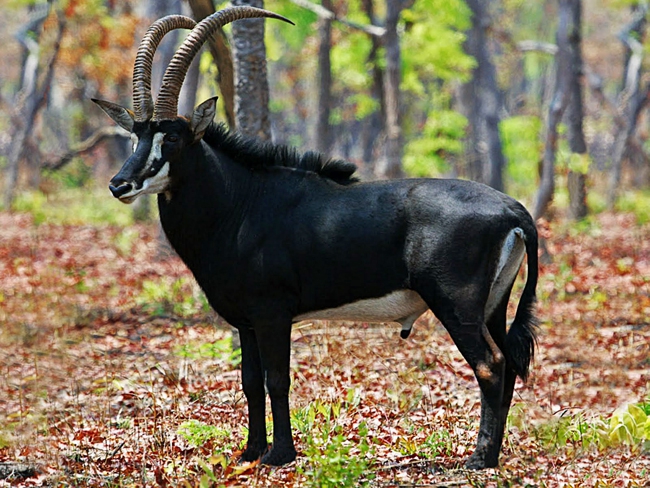
African elephant, giant black sable antelope, african lion, leopard, hippo, chimp, rhino, gorilla, antelope, turtle, whale, dolphin, shark, are some of the animals that can be seen in Angola.


Reserves and Parks
Angola already has a wide range of protected areas established in Reserves and National, Regional and Forest Parks.
75 km south of Luanda, in Bengo province, you can visit the National Park of Kissama, and 8km south of Luanda, the Natural Reserve of Birds ‘Ilhéu dos Pássaros’. Also in Bengo, are the Kibinda and Kibaxi-Piri Forest Reserves.
In Malanje, find the Cangandala National Park and Reserve Luando.
In Huila, Bicuar National Park.
In the province of Namibe vist the Iona Park and the Natural Park of Namibe.
In Cunene, find the Mupa Park.
20 km from Benguela, is located in the Regional Park of Cimalavera and 30km to southeast, the Buffalo Reserve.
In the province of Moxico, you can visit the Cameia National Park and several Forest Reserves.
In Cabinda, is located the Kakongo Reserve Forest, the Maiombe Forest and Swamp Lândana, a sanctuary for pelicans and flamingos.
In Bie, discover the Umpulo Forest Reserve and the Luango Natural reserve.
Located in Huambo is the Kavongue Forest Reserve and in the province of Kuando Kubango, find Luiana Partial Reserve and Mavinga Partial Reserve.


Beaches
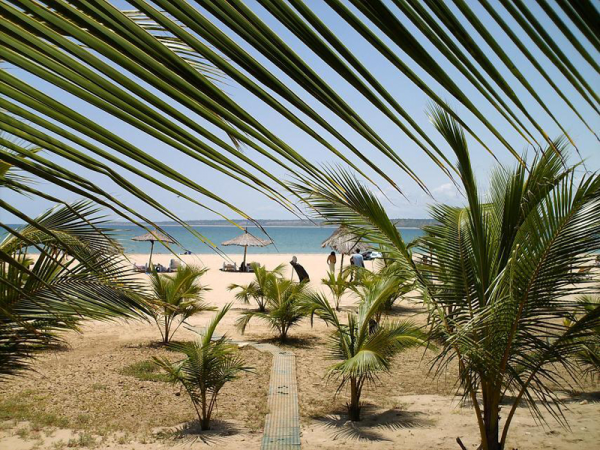
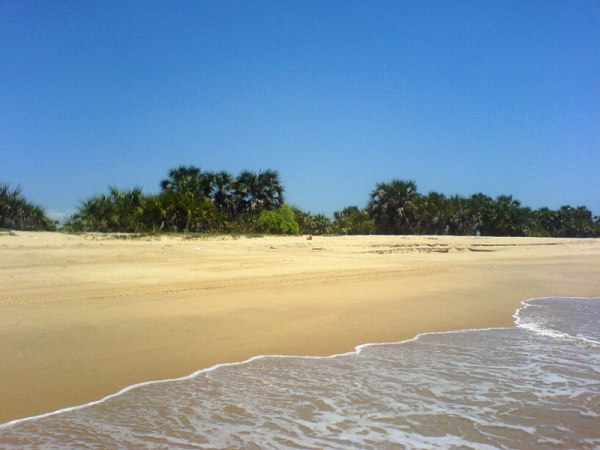
In a country with a vast area of coastline, beaches abound. Mussulo Beach, Cabo Ledo, Sangano, Palmeirinhas, Caota, Blue Bay, N’Zeto, Morena, among many others, are places that justify the visit to Angola.